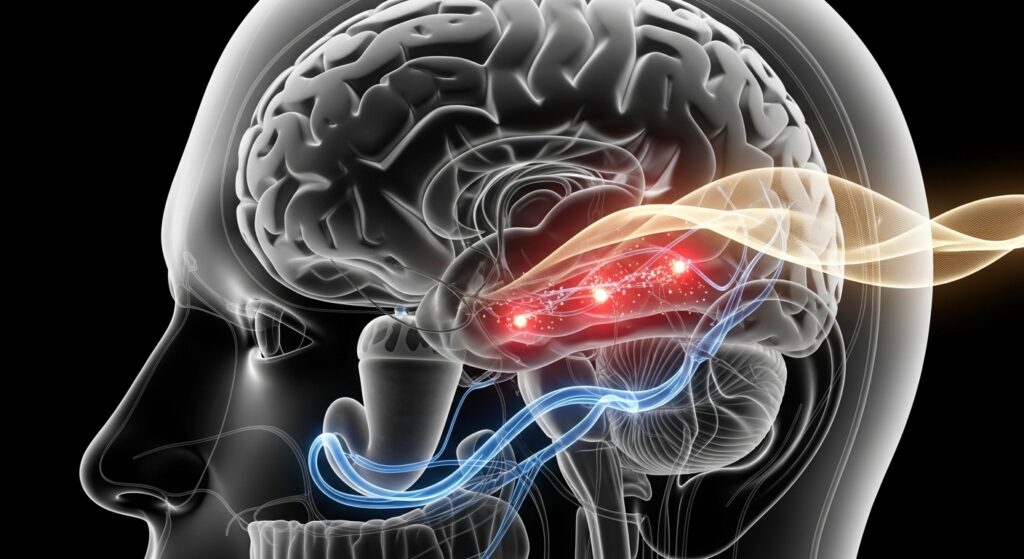
Tinnitus: Is it a brain or ear disorder? This is the fundamental question that keeps millions of people awake at night as they listen to a high-pitched ringing, buzzing, or hissing sound that no one else can hear. For decades, patients were told the problem was strictly within their ears, but 2026 medical breakthroughs have revealed a much more complex reality. 👂
If you have ever felt the frustration of a doctor checking your ears and telling you “everything looks fine” while the noise in your head is deafening, you are witnessing the gap between traditional medicine and modern neuroscience. The constant noise can lead to anxiety, memory lapses, and an overwhelming sense of exhaustion. It is a invisible struggle that impacts your ability to work, socialize, and simply enjoy silence. 💡
Understanding the source of this phantom noise is the first step toward reclaiming your peace of mind. To see how a specialized neurological protocol targets this specific connection, I recommend reading my full investigation on Quietum Plus Reviews 2026 to see if this targeted repair system is right for you.
The Science Behind the Neurological Connection
So, Tinnitus: Is it a brain or ear disorder? The 2026 answer is that it is often a “sensory glitch” that begins in the ear but is amplified and maintained by the brain. To understand this, we have to look at the auditory cortex—the part of the brain responsible for processing sound. 🧠
Most cases of tinnitus start with minor damage to the delicate hair cells in the inner ear (the cochlea). These cells are responsible for converting sound waves into electrical signals. When these cells are damaged by loud noise, age, or toxins, they stop sending signals to the brain. According to the Mayo Clinic, this lack of input causes the brain to “re-wire” itself. 🧬
In a desperate attempt to find the missing sound, the auditory cortex turns up its “internal volume.” This phenomenon is known as “Central Gain.” Because the brain isn’t receiving the expected signals from the ears, it begins to generate its own phantom noise to fill the silence. This is why many researchers now classify chronic tinnitus as a neurological condition rather than a simple ear injury. It is a state of hyperactivity in the brain’s sound-processing center. 🔬
Furthermore, 2026 research into the “Neural Wire Theory” suggests that the auditory nerve—the cable connecting your ear to your brain—can become “leaky” due to oxidative stress. When the insulation of these neural wires degrades, electrical signals “cross-talk,” creating the buzzing sounds you perceive. This is a primary driver of the Chronic Proinflammatory Environment that affects our sensory organs. 🛡️
5 Practical Tips to Manage Tinnitus Neurologically
If the problem is rooted in brain hyperactivity, then the solution must involve calming the nervous system. Here are five science-backed methods to manage the neurological side of tinnitus:
- Sound Enrichment Therapy: Instead of silence, which makes the brain turn up the volume, use low-level background noise like “pink noise” or nature sounds. This provides the auditory cortex with the input it craves, reducing the need for it to generate phantom sounds. 🌊
- Vagus Nerve Stimulation: The vagus nerve is the “reset button” for your nervous system. Gentle breathing exercises, humming, or cold-water exposure can help lower the systemic stress that makes the brain’s auditory centers hyperactive. ❄️
- Magnesium and Zinc Supplementation: These minerals are essential for neural stability. Zinc helps the ears recover from oxidative stress, while Magnesium acts as a “gatekeeper” for the NMDA receptors in the brain, preventing the over-firing of neurons that causes the ringing. 💊
- Cognitive Reframing: Tinnitus is often intensified by the “limbic system”—the brain’s emotional center. By training your brain to view the sound as “neutral” rather than a “threat,” you can reduce the distress and the brain’s focus on the noise. 🧠
- Limit “Neural Irritants”: Excess caffeine, high sodium, and artificial sweeteners can over-stimulate the nervous system. According to reports from Healthline, reducing these “excitotoxins” can lead to a noticeable decrease in tinnitus intensity for many patients. 🚫
The Role of Specialized Supplementation
When we ask, “Tinnitus: Is it a brain or ear disorder?” we realize that a successful treatment must address both. This is where specialized supplements play a crucial role in 2026 ocular and auditory care. 🧪
A standard multivitamin cannot repair a “leaky” auditory nerve. To quiet the noise, you need neuroprotective agents that can cross the blood-brain barrier. Ingredients like Mucuna Pruriens and Maca Root have been identified for their ability to support the “myelin sheath”—the protective coating on your neural wires. When this coating is strong, the signals between your ear and brain remain clean and clear. 🛡️
Furthermore, botanicals like Dong Quai and Sarsaparilla help to improve the microcirculation within the inner ear. By flooding the auditory system with oxygenated blood, you provide the hair cells with the resources they need to function correctly, reducing the “SOS” signals they send to the brain. This integrated approach is the only way to tackle the neurological “glitch” that keeps the ringing alive. 🔬
You can explore more about how the body repairs its sensory pathways in our health and wellness section, where we analyze the latest longevity trends. 📑
Conclusion: Bridging the Gap Between Ear and Brain
The debate over whether tinnitus is a brain or ear disorder has finally been settled in 2026: it is a complex interaction of both. While the damage may begin in the ears, the sound is a neurological manifestation of a brain trying to heal itself. 🏁
By focusing on calming the auditory cortex and repairing the “neural wires” of the auditory nerve, you can move away from temporary masking and toward long-term quiet. Do not let the phantom noise control your life or steal your quiet moments. 🛡️
If you are ready to see the full clinical results of the formula designed to repair the ear-brain connection and stop the ringing at its source, read our final investigation here: Quietum Plus Reviews 2026: The Silence Protocol 👈