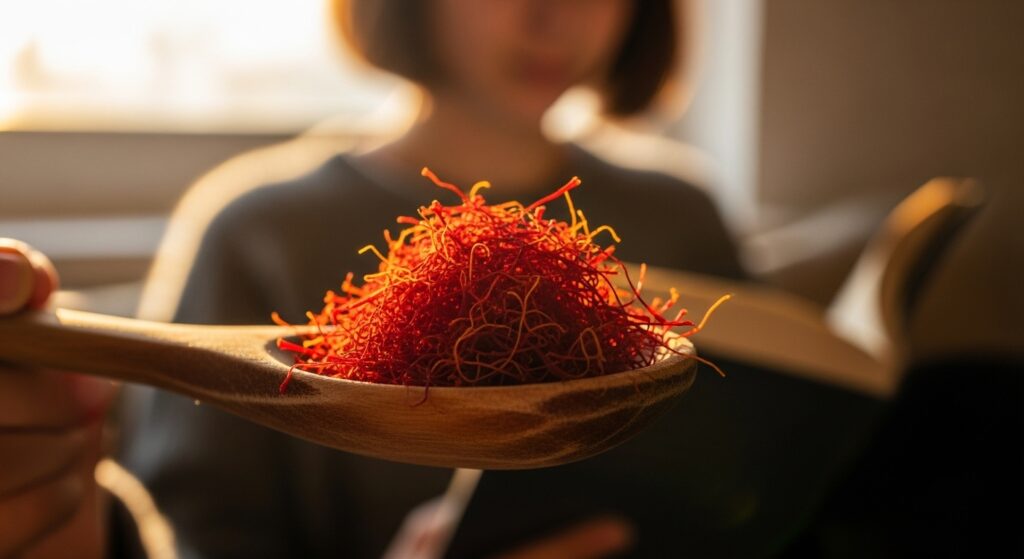
Current clinical research regarding Saffron for Vision suggests that this ancient “golden spice” may be the most potent neuroprotective agent available for the human retina.
If you’ve noticed your vision becoming dull, or if you’re struggling with the early signs of macular decline, the latest findings from 2026 offer a significant reason for optimism. While saffron has been used for centuries in traditional medicine, modern science is finally unlocking how it interacts with the delicate structures of the eye. 🌸
The challenge for most people over 40 is that standard eye vitamins often ignore the most powerful botanical extracts in favor of cheaper, less effective alternatives. Before you invest in another generic supplement, you must understand why saffron is being called the “molecule of sight.” 💡
To see how this specific ingredient is utilized in a high-potency clinical formula, I recommend reading my comprehensive iGenics Reviews 2026 report for a full breakdown of the data.
📺 WATCH: The 2026 Clinical Update on Saffron and Retinal Repair
The Science Behind Saffron for Vision
The primary reason Saffron for Vision is gaining so much attention in 2026 is due to two specific carotenoids: crocin and crocetin. Unlike the carotenoids found in carrots, these compounds have a unique ability to cross the blood-retina barrier and provide direct antioxidant support to photoreceptor cells. 🔬
When you consume high-quality saffron, these molecules act as a biological “shield” for your macula. They work by increasing the blood flow to the retina and preventing the cellular death (apoptosis) that occurs during age-related decline. 🛡️
A landmark study published on PubMed demonstrated that patients with early-stage macular degeneration showed significant improvements in visual acuity and light sensitivity after just 90 days of consistent saffron supplementation. This isn’t just about “slowing down” decline; it’s about supporting the eye’s natural ability to recover. 📈
Furthermore, Healthline reports that saffron’s anti-inflammatory properties are specifically effective at neutralizing the Chronic Proinflammatory Environment (CPE) that we discussed in our previous investigation. By quenching this internal “fire,” saffron allows the retina to function at its peak capacity. 🧬
5 Practical Tips to Use Saffron for Vision Support
If you want to harness the power of this golden spice, you need to know how to use it correctly. Here are five methods to incorporate saffron into your eye health regimen:
- Look for Standardization: Not all saffron is created equal. For vision support, you need an extract standardized to at least 2% crocin. Culinary saffron is great for flavor, but it rarely reaches the therapeutic threshold needed for retinal repair. 🔍
- The 20mg Rule: Clinical updates for 2026 suggest that a daily dose of 20mg to 30mg is the “sweet spot” for ocular benefits. Taking more doesn’t necessarily mean better results, but taking less may not provide enough protection. ⚖️
- Consistency is Key: The pigments in saffron need time to accumulate in your eye tissues. Most clinical trials show that the most dramatic results appear between the 60 and 90-day mark. 🗓️
- Pair with Healthy Fats: Like most carotenoids, saffron is fat-soluble. To maximize absorption, take your saffron with a meal that includes healthy fats like avocado, olive oil, or omega-3s. 🥑
- Avoid Excessive Heat: If you are using raw saffron threads in your diet, avoid boiling them for long periods. High heat can degrade the delicate crocin molecules, stripping away the very benefits you are looking for. ☕
The Role of Specialized Supplementation
While you can technically get Saffron for Vision by eating the raw threads, the cost and the lack of standardization make this difficult for the average person. This is where high-end supplements become an essential tool in your health arsenal. 💊
In 2026, the best ocular formulas don’t just use saffron in isolation. They combine it with “synergistic” ingredients like Bilberry and Lutein. When these are blended correctly, the bilberry improves the microcirculation that delivers the saffron to your retinal cells, creating a much more powerful effect than saffron alone. 🧪
This is why specialized formulas are often preferred over “DIY” approaches. They provide a precise, lab-verified dosage that ensures your eyes are receiving the exact amount of protection required to fight off the effects of aging and environmental toxins.
You can explore more about how these nutrients work together in our health and wellness category, where we break down the latest 2026 trends. 📑
Conclusion: Is Saffron the Future of Eye Care?
The clinical evidence for Saffron for Vision is now too strong to ignore. As we continue to face a world filled with blue light and oxidative stress, this ancient spice offers a scientifically validated way to protect our most precious sense. 🏁
By addressing the root cause of retinal stress and providing the building blocks for cellular repair, saffron is helping thousands of people over 40 reclaim their visual clarity. Don’t wait for your vision to deteriorate before you take action. 🛡️
If you are ready to see the full clinical results of how saffron is being used today to transform eye health, click here to read our final verdict: iGenics Reviews 2026: The Saffron Breakthrough 👈